
NostalTech: The Zip Drive and the Removable-Storage Dream Before USB
The Iomega Zip drive promised to retire the 1.44MB floppy with a 100MB cartridge and briefly looked like the future of removable storage. Its convenience made it a fixture of mid-1990s computing, but the failure mode nicknamed the click of death turned a backup tool into a liability. The episode is a reminder that storage formats live or die on trust as much as capacity.
 admin
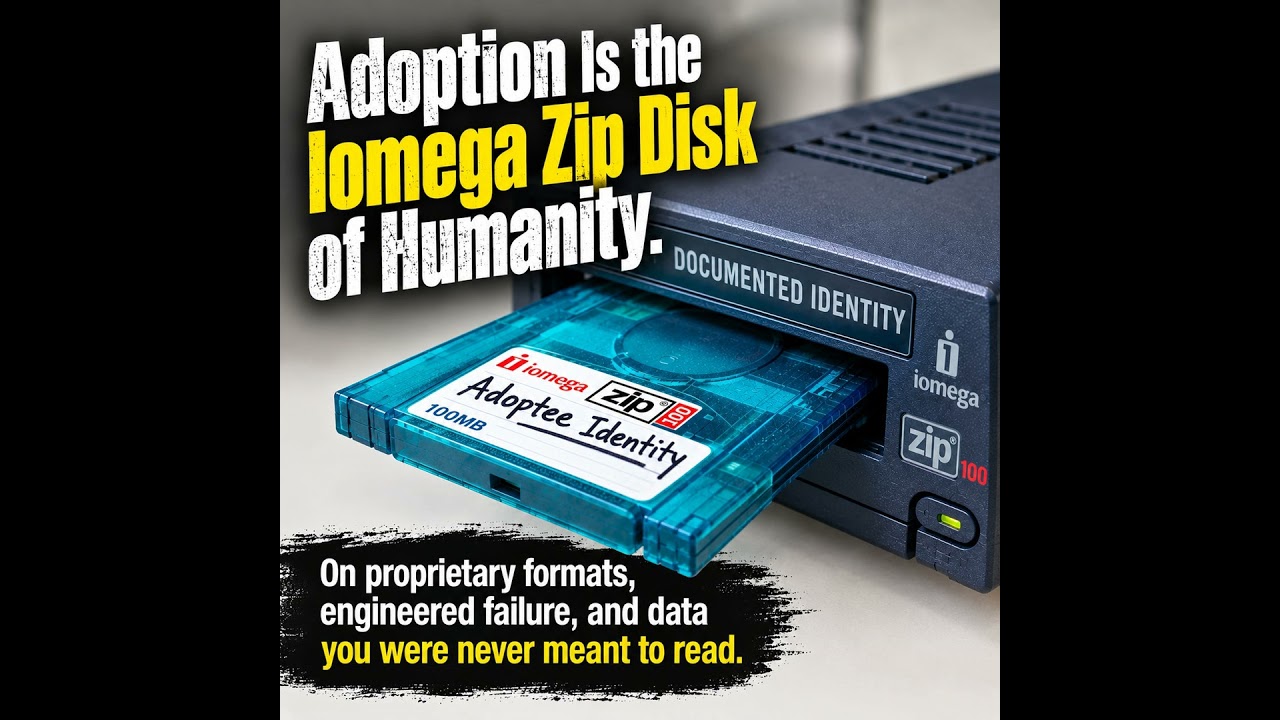
The floppy disk’s 1.44MB ceiling is one of the defining constraints of early personal computing. It shaped software installs, file sharing and the ritual of labeling a stack of disks before a project moved from one machine to another. The Zip disk looked like a clean exit from that world: 100MB on a removable cartridge, against 1.44MB for a standard floppy, while larger floppy formats that appeared never caught on ¹.
Iomega introduced the Zip drive in 1995, and it briefly hit a sweet spot between capacity and cost ². That timing mattered. The floppy was still the default way to move files, but it was badly out of step with the size of operating systems, games and documents. The Zip drive did not require a new way of thinking about storage. It simply offered a cartridge that felt like a floppy and held far more.
The arithmetic was the pitch. How-To Geek’s account describes installing Windows 95 from dozens of floppies and games that arrived on six or seven disks. A 100MB Zip cartridge could absorb that stack into one piece of media. For a home user, that was not a marginal upgrade. It was the difference between a project that fit on one disk and a project that required a checklist.
That is why the Zip drive matters in the history of removable storage before USB. It occupied the gap between the floppy and the later world of writable CDs and flash memory. The floppy did not disappear overnight, and read-only CDs were still at their peak while it lingered. But the Zip drive showed that removable media could be capacious enough to serve as a working archive rather than a courier for a few small files. The drive itself was a substantial desktop object, closer in spirit to a portable hard drive than to the slim cards and sticks that followed.
Then came the flaw. The Zip drive’s eventual undoing became known as the click of death, a failure mode that could leave a cartridge unreadable and gave the product a reputation as a ticking time bomb. The nickname was memorable because the sound was memorable. A drive that clicked was not just making noise; it was raising the possibility that the data on the disk was in trouble. For a format sold as a safe place to keep work, that was the worst possible association.
The Zip drive’s success was short-lived, and the reason is not hard to understand. Its convenience concentrated risk. Keeping important work on a single removable cartridge made sense only if the cartridge and the drive could be trusted. Once the click of death became part of the format’s reputation, every routine backup carried a small question mark. The Zip drive had won on capacity per dollar, but it lost ground on confidence.
That is the lesson worth carrying forward. Storage is a trust product. A format can have the right speed, the right price and the right capacity, and still fail if users suspect that an ordinary mechanical noise means a lost term paper or a corrupted client file. Later removable formats did not just compete on space. They competed on the feeling that losing the media should not mean losing the archive.
A modern reader encountering a Zip drive in a junk box sees a bulky answer to a problem that has largely vanished. USB flash drives and external SSDs made removable storage ordinary, and the floppy’s reign eventually gave way to writable discs and flash memory. But the Zip drive’s afterlife is not really about nostalgia for beige hardware. It is a cautionary tale about convenience without confidence: the format that promised to end the floppy era was undone by the fear that it might eat the disk instead.
Sources