NostalGame: Sonic the Hedgehog 2 and the 16-Bit Platformer at Full Speed
Sonic the Hedgehog 2 arrived on the Sega Mega Drive in November 1992 as a faster, bigger sequel that turned speed into a design principle rather than a gimmick. This retrospective looks at what the game was, how it played for its era, and why its 16-bit platforming still defines the series.
 admin
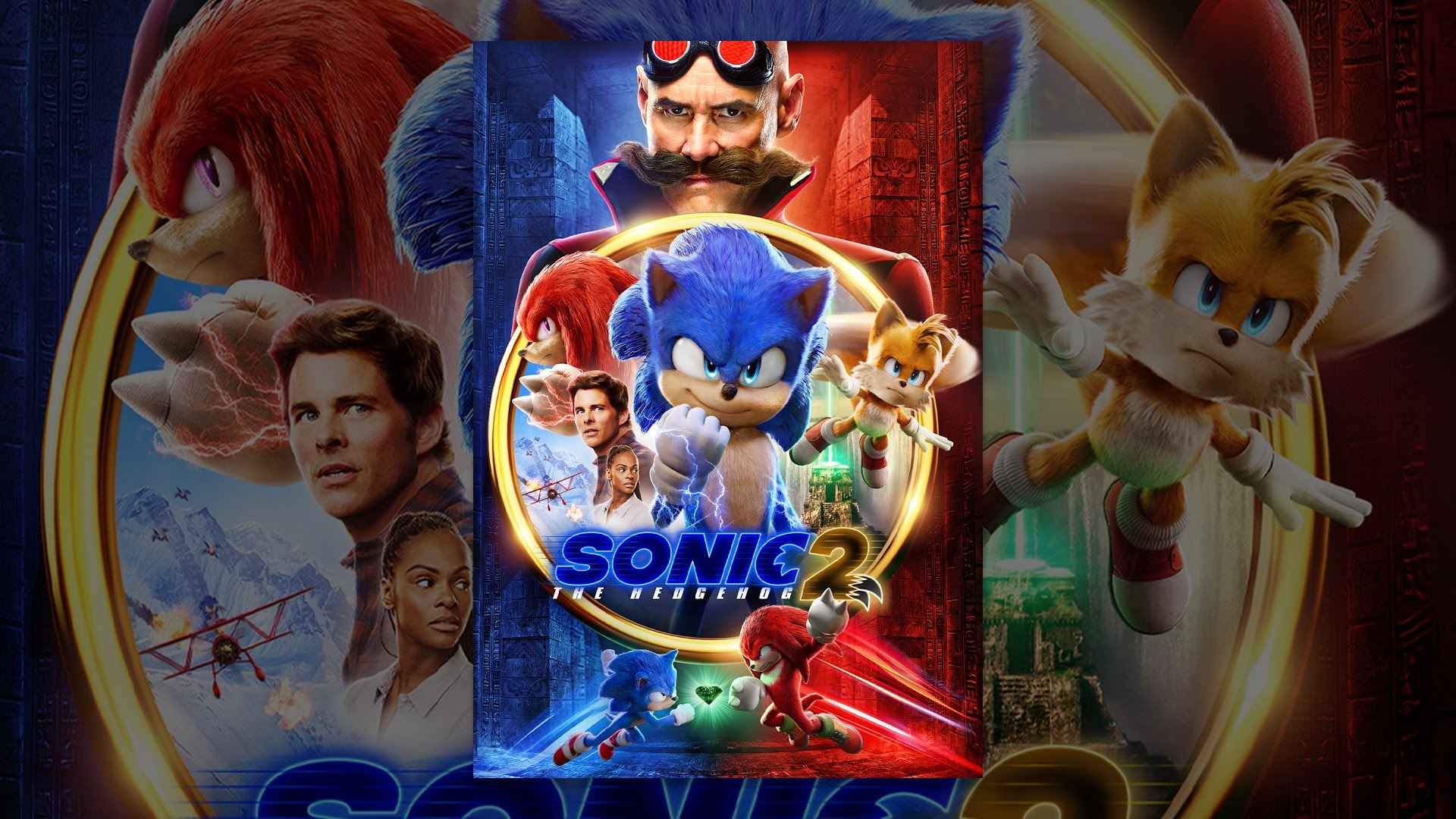
By the end of 1992, the 16-bit console war had a clear shape. Sega's Mega Drive, sold in North America as the Genesis, was the machine built around attitude and velocity, and Sonic the Hedgehog was its mascot. The sequel had to do more than repeat the trick. Sonic the Hedgehog 2, developed by Sonic Team and published by Sega, arrived on the Mega Drive in Japan on November 21, 1992, with North American and PAL releases following on November 24 ¹. That timing put it at the front of the holiday season and made it the game that defined what a 16-bit platformer could feel like.
The original Sonic had already established the pitch: momentum, loops, and a blue hedgehog who moved faster than the competition's plumbers. Sonic 2 turned that pitch into a system. The side-scrolling run-and-jump formula returned, but the level design leaned harder into fast traversal and creative routing, with hazards such as Badnik robots, loop-the-loops, water obstacles and steep slopes that bend gravity. The game shipped with 12 distinct zones, moving from rolling green hills to neon-lit urban backdrops ². That variety mattered in an era when a cartridge had to carry an entire game's worth of spectacle on its own.
The biggest structural addition was Tails. Miles "Tails" Prower joined as a playable companion who could follow Sonic as a co-op partner, and the game gave players a second character whose movement and exploration options differed from Sonic's. Tails was not just a cosmetic sidekick; his presence changed how levels could be approached and gave younger siblings or friends a way into the game without taking over the main run. The special stages, unlocked by meeting ring requirements, sent players hunting for the Chaos Emeralds, and collecting them all transformed the characters into Super forms with invulnerability and a burst of speed. That reward loop gave the game a completion goal beyond reaching the end credits, and it is one of the reasons players kept returning to stages they had already beaten.
What made Sonic 2 a 16-bit landmark was not any single feature but the way its pieces reinforced each other. Speed was no longer a novelty to show off in a marketing screenshot; it was the grammar of the level design. Slopes, springs and loops were arranged so that a skilled player could chain momentum, while a cautious player could still make progress. The Chaos Emerald hunt added exploration to a game that could otherwise be finished by holding right. Tails added a social dimension to a genre that had mostly been a solo pursuit. Each element gave the cartridge more to do, which was exactly what a 16-bit platformer needed to justify its price against arcade ports and sports games.
The game's reach extended well beyond its original hardware. Sonic 2 has been re-released across a long list of platforms, including the Game Boy Advance in 2006, Windows in 2010, the Nintendo 3DS and mobile devices in 2013, and the Nintendo Switch in 2018, with versions also appearing on Sega Saturn, GameCube, Wii Virtual Console, PlayStation and Xbox consoles. A 2013 mobile edition brought the game to iOS and Android with smoother controls and additional modes, including Knuckles as a selectable character and Time Attack and Boss Rush-style challenges. Those re-releases are the main way many younger players have met the game, and they have kept the 16-bit original in circulation long after the Mega Drive left store shelves.
It is worth being precise about what Sonic 2 was and was not. It was a Sega Mega Drive game first, with arcade versions on the Mega-Tech and Mega Play boards also listed, and its sequels and chronology place it between the original Sonic and Sonic the Hedgehog 3 & Knuckles. What the sources do not establish is how the game performed commercially or how its sales compared with the first Sonic; those figures are not confirmed here. Nor do the sources describe the original cartridge's technical specifications in detail. The retrospective case for Sonic 2 rests on its design, its place in the 16-bit platformer lineage, and its unusually long afterlife across re-releases.
For readers tracing the hardware that made this era possible, the Mega Drive's contemporary in home computing was the Commodore Amiga 500, a machine that approached the same years with a different idea of what a home system could do. Sonic 2 belongs to the console side of that story: a cartridge, a controller, and a design philosophy built around speed. Three decades on, the game still reads as a statement about what 16-bit platforming could be when a sequel is allowed to refine rather than repeat.
Sources
- ¹ Sonic the Hedgehog 2 (16-bit) - Sonic the Hedgehog 2 (16-bit) newqualitipedia.telepedia.net
- ² Sonic The Hedgehog 2 Classic for Android - Quick summary sourceforge.net