NostalGame: Warcraft III and the Rise of the Mod Scene
Warcraft III shipped in 2002 with a map editor that turned players into creators, and the mods they built — tower defense, the first MOBAs — outgrew the game itself. This is the story of how Blizzard's real-time strategy title quietly seeded a genre, and why its tools still matter.
 admin
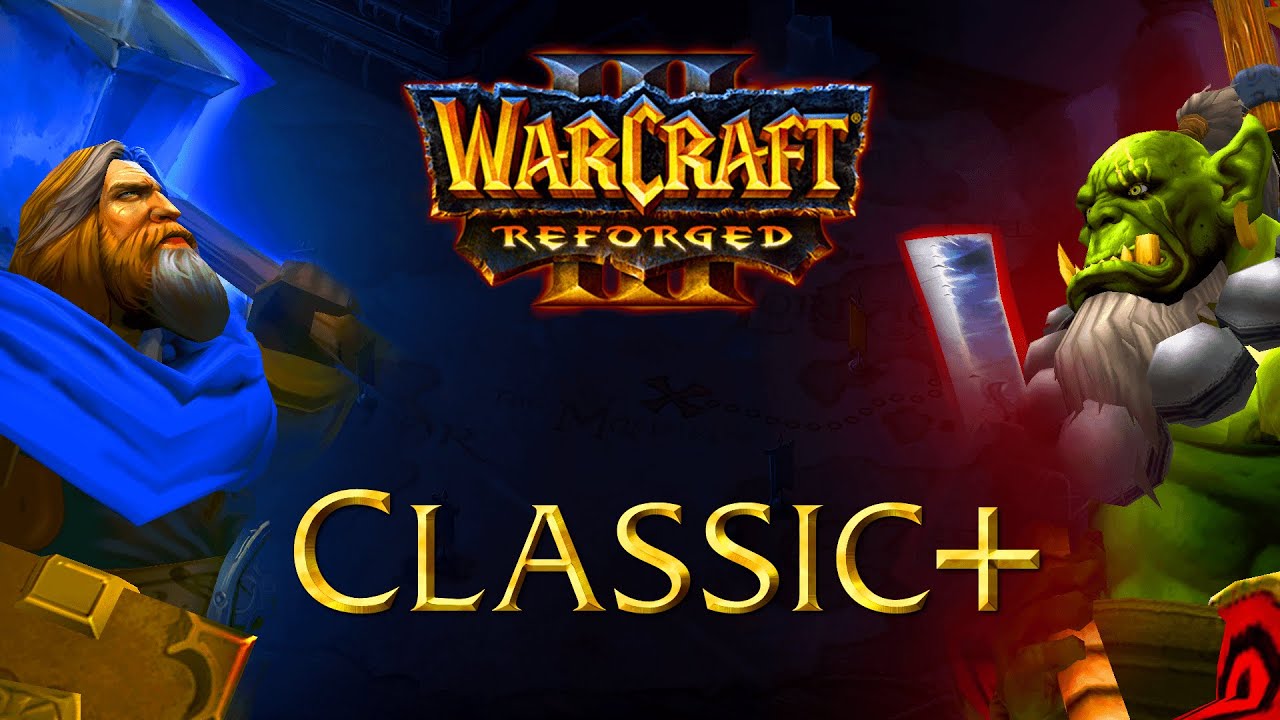
In 2002, Blizzard released Warcraft III, a real-time strategy game set in the world of Azeroth. It arrived after a long and troubled development that included a name change and a major shift in direction, and it went on to cement that fantasy universe in gaming culture, pave the way for World of Warcraft, and pull RPG-style progression into a genre that had not traditionally carried it ¹. All of that is the official legacy. The stranger, more interesting legacy lives in the game's map editor, where a generation of players taught themselves to build games.
The World Editor was not a marketing bullet point so much as a sandbox. It exposed the game's art, units and controls to anyone willing to learn its logic, and amateur creators used those pieces to make something that played nothing like the campaign. Tower defense maps, hero-centric arenas, survival scenarios — the tools were flexible enough that the same assets could be reassembled into entirely different genres. One of the people doing that reassembling was a modder known as IceFrog, whose Defense of the Ancients map became the seed of what the industry would later call the MOBA. At the time, nobody involved had any reason to think a custom map circulating among teenagers would become one of the most popular game formats in the world.
What made the scene unusual was its low barrier to entry. Modding Warcraft III did not require a studio, a publisher or connections; it required a copy of the game and the patience to learn the editor. That combination let young people with no industry experience build and distribute games they otherwise had no business making. The result was a vast amateur ecosystem of maps uploaded, shared and iterated on by thousands of creators, each one building on the last.
The commercial consequences came later, and they were enormous. Warcraft III's modding tools are credited with spawning the MOBA genre outright and with triggering a revival of tower defense games. Blizzard itself has acknowledged the debt: ahead of Warcraft III: Reforged, the company described tower defense and the MOBA as genres that came from its players, and framed updated modding tools as among the remaster's most anticipated features, explicitly looking for "the next generation of modders" ². That is a rare thing for a publisher to say out loud — an admission that the community, not the studio, had extended the game's life and reach.
Reforged's own reception is a separate and messier story, and the sources here do not settle how the remaster's tools were ultimately received. What they do establish is the principle: a game that ships with real creation tools hands its future to its players. Warcraft III's campaign was finite. Its map editor was not.
For anyone who spent those years inside the editor, the nostalgia is not really about the campaign missions. It is about the first time a custom map loaded and worked, and the realization that the game was no longer only what Blizzard had shipped. That is the quiet argument for mod toolsets everywhere: they turn players into the next generation of developers, and occasionally they invent a genre along the way.
Sources