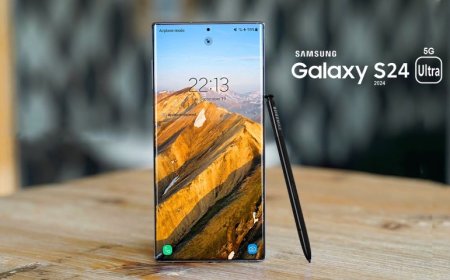
Phone Trade-In vs Private Sale: Which Wins Before an Upgrade
Trading in an old phone buys convenience at a measurable cost, while a private sale earns more but demands time, risk tolerance and better timing. This comparison lays out the criteria that actually decide the question, then says which route suits which reader.
 admin
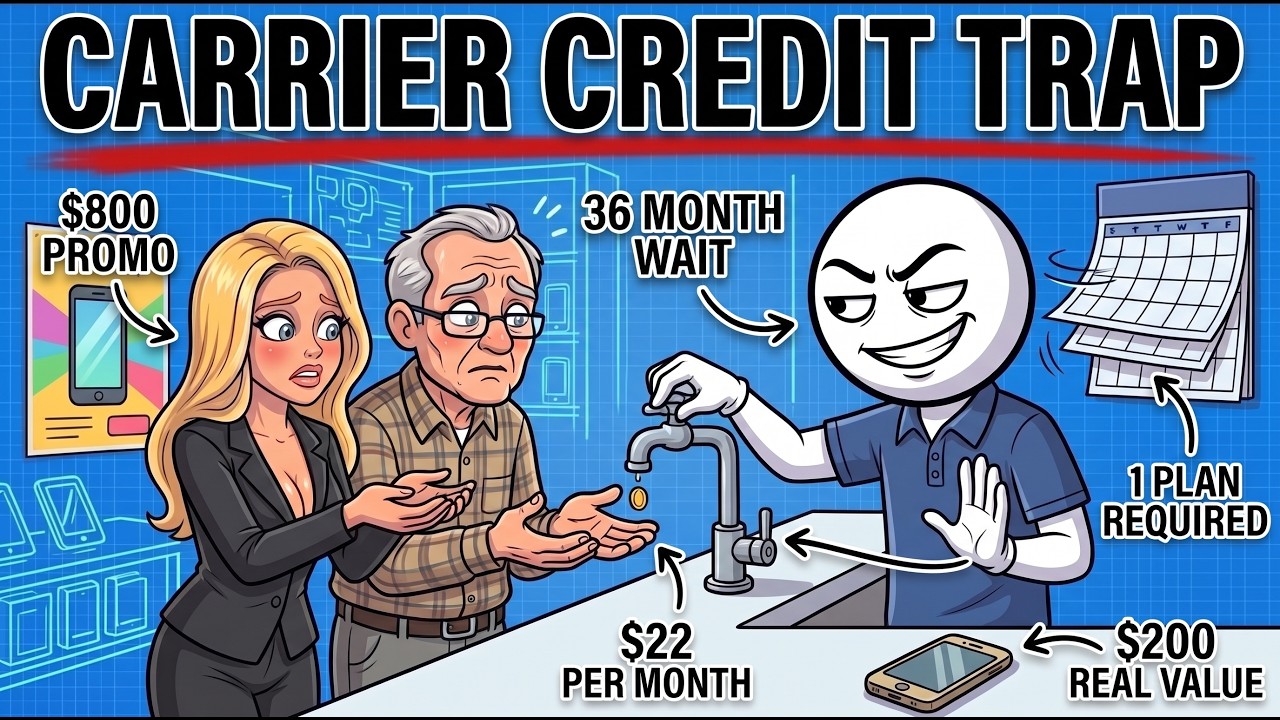
The decision looks like a simple arithmetic problem: which route returns more money for the phone in your drawer? In practice, the two routes are not priced the same way. A trade-in bundles the phone's value into a discount or store credit, while a private sale pays you directly and pushes the work onto you. Before comparing offers, decide which criteria matter: the net amount you keep, how much effort you are willing to spend, how much risk you can absorb, how quickly you need the money, and whether the phone's timing lines up with the market.
The value gap
The clearest point of difference is payout. Engadget's comparison is blunt about it: trade-ins are the quickest and easiest route, but they lead to less reward ¹. The same piece notes that even within trade-in programs, store credit usually beats a straight cash payout — chains such as GameStop or CeX will hand over cash, but typically at a lower value than credit toward another purchase. Official manufacturer programs, including Apple's and Samsung's, work the same way: you get an instant discount on a new device or credit to spend later, not a payment.
Private selling inverts the trade-off. An undated guide from SmartSMSSolutions estimates that trade-in typically leaves 15 to 30 percent of the phone's value on the table compared with a private sale, and it frames the private route as more lucrative but more effortful and riskier ². Treat that range as an estimate from one guide rather than a measured average — neither Engadget nor the CelcomDigi explainer puts a number on the gap. Still, the direction is consistent across all three sources: the convenience premium you pay for a trade-in is real.
Convenience and risk
What that premium buys is mostly the removal of friction. With a trade-in you do not have to worry about a buyer walking away without paying, as can happen on marketplace platforms, or about whether your listing gets seen at all. You also skip the photography, the negotiation and the meet-up. CelcomDigi's explainer frames the choice the same way: the decision comes down to whether you value a quick, hassle-free process or the potential to earn a higher sale price ³.
A private sale hands those problems back to you. The SmartSMSSolutions guide is explicit that selling directly gets more money but requires effort and carries risks. In exchange, you control the price, the platform and the timing — which matters more than many sellers expect.
Timing and depreciation
Timing is the variable that most often decides whether selling privately was worth it. The SmartSMSSolutions guide illustrates the effect with a worked example: a phone that might fetch $350 two weeks before a new iPhone announcement could drop to $250 two weeks after it, a $100 swing in a matter of weeks. The guide's recommended window for most iPhones is two to three weeks before the expected announcement, typically late August to early September, with values peaking just before launch buzz and falling afterward. Those figures are illustrative rather than a quoted market price, and the guide is undated, so do not treat the calendar as fixed — but the mechanism is sound: resale values react to new-model launches.
That timing pressure cuts both ways. Selling privately takes longer than trading in, so a private seller who starts too late may end up accepting a lower offer than a trade-in quote locked in earlier. A trade-in quote, by contrast, can often be secured in advance and redeemed when the new phone arrives — though how long each program honors a quote is not established by these sources and should be confirmed with the specific retailer.
Which reader should pick which
| Criterion | Trade-in | Private sale |
|---|---|---|
| Payout | Lower; store credit usually beats cash | Higher; one guide estimates 15–30% more |
| Effort | Minimal | Listing, photos, negotiation, meet-ups |
| Risk | Low; no no-show buyers | Buyer fraud and payment risk |
| Speed | Fast | Depends on demand and timing |
| Timing sensitivity | Lower | High; values fall after launches |
Trade-in suits the reader who values time over the last few dollars: someone upgrading on a fixed schedule, trading a phone with cosmetic wear that would be hard to photograph flatteringly, or who simply does not want strangers in the transaction. The manufacturer or carrier program is the natural choice when the credit applies directly to the device you were buying anyway.
A private sale suits the reader with a desirable, well-kept phone, a few weeks of patience and a tolerance for admin. The financial case is strongest when you can list before a launch cycle rather than after it, and when you are willing to walk away from lowball offers.
There is also a third option the sources raise: keeping the old phone as a backup. The SmartSMSSolutions guide calls this sometimes the smartest financial move, and it is worth taking seriously if the trade-in quote is small relative to the phone's usefulness as a spare or a hand-me-down.
What none of the sources establishes is a universal winner. The trade-in versus private sale question resolves on your own numbers: get a trade-in quote first, since it sets a floor, then check what comparable units are actually selling for privately. If the gap is small, take the convenience. If it is wide and you have time before the next launch, sell it yourself. For broader context on when upgrading is worth it at all, see our verdict on repair versus replacement for mid-range phones.
Sources
- ¹ Trade-in vs selling: Which is the better option for your old phone? - Engadget www.engadget.com
- ² Best Time to Sell Your iPhone Before a New Model 2025 | SmartSMSSolutions - Best Time to Sell Your iPhone Before a New Model 2025 | SmartSMSSolutions smartsmssolutions.com
- ³ CelcomDigi Discover | Trade-in vs. selling: Best choice for your phone - Trading in vs. selling: Which is the best option for your old phone? discover.celcomdigi.com