NostalGame: Myst and the CD-ROM Puzzle Adventure
Myst arrived on the Macintosh in September 1993 and became the CD-ROM era's defining puzzle adventure, built from static pre-rendered scenes, linking books, and logic puzzles. This NostalGame looks at how Cyan's island worked, why the disc format mattered, and how a game with no action and no avatar became one of the best-selling titles of its time.
 admin
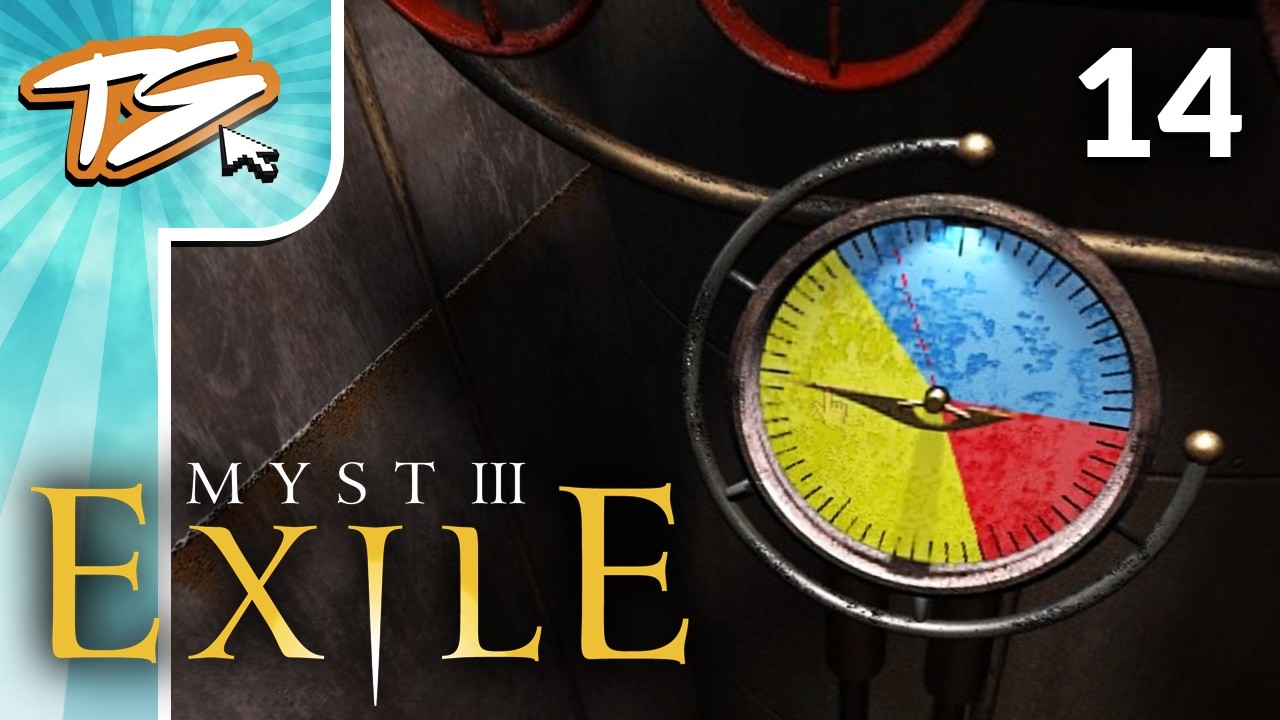
Before the CD-ROM drive was standard equipment, adventure games came on stacks of floppy disks, and their worlds were drawn small. Myst arrived on the Macintosh on September 24, 1993, developed by Cyan and published by Brøderbund, and it made the case for the new disc format in the most direct way possible: with a lot of pictures ¹. The game is a first-person puzzle adventure set on a deserted island, and it was built in the hypermedia tool HyperCard, with players clicking around static pre-rendered scenes to move, pull levers, and press buttons. There is no avatar on screen and no twitch reflex required. The mouse is the whole interface.
The premise is deliberately quiet. You open a mysterious book and find a window onto another world, Myst Island, and placing your hand on the page sends you there alone and confused ². On the island you eventually encounter two men trapped inside similar books, and finding the missing pages is the key to freeing them. The story that unfolds is about the island's keeper, Atrus, and the betrayal by one of his two sons, each imprisoned in a color-coded book — red for the scheming Sirrus, blue for the madman Achenar — with the player tasked with recovering the remaining pages scattered across the Ages. Those Ages are the four faraway lands reached through special linking books, each with its own puzzles.
What made Myst feel different in 1993 was not the puzzle design, which drew on adventure-game conventions, but the presentation. The game leaned heavily on the CD-ROM format, and it carried thousands of pre-rendered 3D scenes along with QuickTime movie animation, including live-action cutscenes and special 3D animations. That combination of capacity and stillness is the heart of the Myst aesthetic: you are not walking through a world so much as examining a series of frozen views, looking for the one detail that unlocks the next. The result was a first-person fantasy universe built from puzzle-solving staples, and it became one of the best-selling games of its time.
Then came the ports. Myst spread across an unusual range of hardware in the mid-1990s: the 3DO Interactive Multiplayer, the Atari Jaguar CD, the Philips CD-i, the PlayStation, the Sega Saturn, the Amiga, and even the LaserActive, with the Windows PC release becoming the bestselling game for that platform throughout the 1990s ³. That list is a snapshot of a format war in miniature — every company with a disc drive wanted a piece of the game that had come to define what a disc drive was for. The Windows version is the one most people remember, but the console ports are part of why Myst became a cultural reference point rather than a niche computer-game success.
The legacy is more complicated than the sales figures suggest. Myst's reputation as a killer app for CD-ROM personal computing is well established, and the game's structure — static views, cryptic clues, worlds reached through books — has been imitated, remade, and argued over for decades. The later Nintendo DS version, handled by Empire Interactive, is a useful cautionary tale: a 2008 review found that whatever merit the game had left was undermined by a sloppy touch interface, poorly implemented new features, and overly compressed visuals, even though the port stayed faithful to the original concept. The lesson is not that Myst aged badly, but that its appeal depended on presentation and patience, and that both are easy to break in translation.
For a retrospective, the honest summary is that Myst was a game about looking closely at still images at a moment when the industry was learning to fill discs with them. It had no combat, no timer, and no character to steer, and it asked players to read, click, and think. That it became one of the best-selling games of its era says as much about the CD-ROM's arrival as about Cyan's design. What remains unconfirmed in the sources consulted here is the full sales record and the finer details of each port's differences; the picture they support is of a game that sold the format as much as the format sold the game.
Sources
- ¹ Myst (Game) - Giant Bomb Video Game Wiki - Overview giantbomb.com
- ² Myst Review - Skip to content www.gamespot.com
- ³ Myst api.stash.games