Ocarina of Time Remake Review: Does It Match the 1998 Original?
Nintendo's 2026 Ocarina of Time remake rebuilds the 1998 classic from the ground up for Switch 2, and early reviews say it preserves the original's spirit while modernizing its presentation and controls. The available evidence supports a strong verdict on faithfulness and polish, but says little about specific changes, performance, or price.
 admin
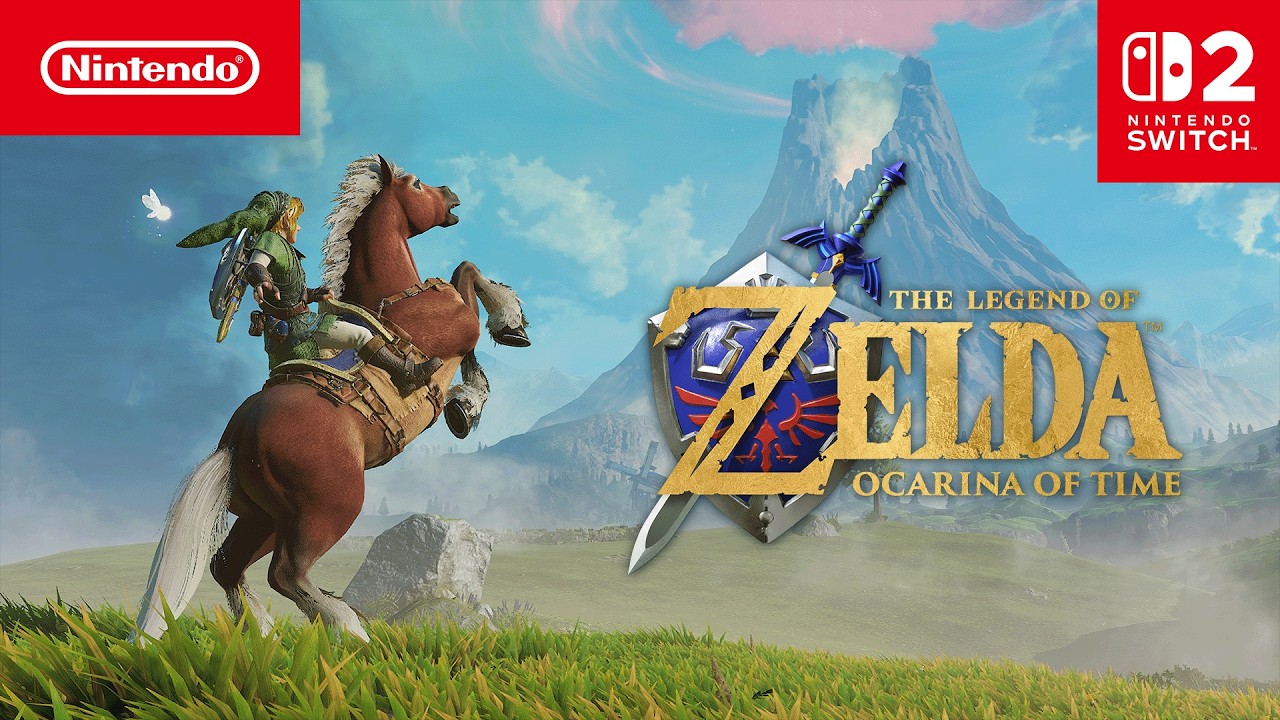
Nintendo has remade The Legend of Zelda: Ocarina of Time for the Switch 2, and the first reviews frame it as a careful restoration rather than a reinvention. That framing matters, because the question most players will ask is not whether the remake is good but whether it still feels like the game they remember. On that point, the published verdicts are unusually consistent.
GameSpot describes the 2026 release as a reverent remake that stays true to both the silliness and the solemnity of the original, modernizing some gameplay elements so naturally that they seem like they were always there ¹. The review calls it the definitive way for newcomers to experience the classic and a can't-miss Switch 2 exclusive. CBC News reaches a similar conclusion, saying the game has been rebuilt from the ground up for the Switch 2 and that it retains the soul of a game "that isn't made like this anymore" ². CBC's reviewer adds that the visuals, responsive controls and other elements have been modernized, and that the result should feel like a comforting hug to returning players while still welcoming newcomers.
What the reviews actually establish
Both reviews agree on the broad shape of the project: this is a full rebuild, not a remaster, and it is exclusive to the Switch 2. GameSpot's assessment emphasizes fidelity to the original's design ethos, arguing that the remake trusts the exploration and adventure to hold up on their own. CBC's review emphasizes the sensory upgrade, calling the presentation gorgeous and noting that the controls are more responsive than in the 1998 version. Neither review, in the excerpts available, provides a detailed breakdown of specific mechanical changes, frame rate targets, resolution, file size, or price. Those details could not be confirmed from the supplied material.
What the sources do make clear is the standard by which the remake is being judged. Ocarina of Time was the first 3D Zelda game, and GameSpot notes that it established series mainstays such as Epona, Z-targeting, and the Goron and Gerudo peoples. The same review places it alongside Super Mario 64 as a template for decades of Nintendo development and as an unusually influential release across the wider industry. That history raises the stakes for any remake: change too much and you break what made the game work; change too little and the rough edges of a 1998 design become harder to excuse.
The clunky parts
CBC's review is candid about the original's flaws, observing that players who loved the 1998 game probably do not remember the moments that were clunky, hard to control or kind of ugly, because the good parts outweighed them. The remake's stated goal, in that telling, is to recreate the good memories while fixing the friction. Whether it succeeds across the whole game is a question the excerpts do not fully answer, but the reviewer's overall conclusion is affirmative: the remake avoids turning nostalgia into a slog.
That is the most useful takeaway for anyone deciding whether to buy. The evidence supports the claim that the remake is faithful in tone and story, substantially improved in visuals and controls, and built specifically for Nintendo's newer hardware. It does not support claims about performance modes, load times, added content, or whether any dungeons were redesigned. Readers should treat those specifics as unknown until Nintendo or a fuller review documents them.
The verdict, with caveats
If the question is whether the remake matches its original, the reviews suggest a more precise answer: it preserves what the original meant while replacing much of how it felt to play. GameSpot's reviewer frames the experience as remembering, over and over, why the game was loved in the first place, and seeing that brilliance with fresh eyes. CBC's reviewer frames it as a gorgeous update that keeps the soul intact. Both are judgments about faithfulness and presentation, not exhaustive technical audits.
For a practical buying decision, the safe conclusion is that the remake is the version to play if you have a Switch 2 and have never finished Ocarina of Time, and a strong nostalgia proposition if you have. The unresolved questions are the ones the sources leave open: exact performance, any cut or added content, and price. Those gaps are worth noting rather than filling in, because a remake of a game this canonical will be scrutinized down to the frame, and the early coverage does not yet go that far.
Sources