What an eSIM Actually Changes When Switching Phones
An eSIM replaces the plastic card with a downloaded profile, but the part that changes most when you move to a new phone is who controls the transfer. This explainer walks through two concrete switching scenarios and explains why the convenience of eSIM is real but conditional on your carrier's process.
 admin

An eSIM is a embedded SIM: a small chip soldered into the phone that holds a downloadable subscriber profile instead of a removable plastic card. The technical change sounds minor, and on a day-to-day basis it mostly is. The interesting part shows up at the moment you change phones, because that is when the physical SIM's one genuine advantage becomes obvious.
With a physical SIM, moving your number is a mechanical act. You eject the tray, move the card, and the new phone is on your network. Nothing needs approval from anyone. An eSIM cannot be moved that way: the profile has to be deactivated on the old device and reissued or transferred to the new one, and that step runs through the carrier's systems. Digit's write-up on eSIM switching issues describes the result plainly: with a physical SIM you pull it out and put it in, while with an eSIM you are dependent on your carrier's process ¹. The report notes that some carriers require a call to customer support with repeated identity verification before a new activation is pushed, that some offer a smooth app-based flow, and that one account described in the piece took nearly three hours to activate on a new device. Those are anecdotes rather than a survey, but they illustrate the range.
Two concrete examples make the distinction clearer.
The first is the planned upgrade. You buy a new phone, and the carrier supports a self-service transfer, typically through an app or a settings flow that moves the line over. In that case the eSIM is genuinely better than plastic: no tray pin, no risk of damaging a tiny card, and the old phone can be wiped and sold without a SIM inside it. The second is the emergency replacement. Your screen dies or the phone is stolen, and you need the number working on a spare handset today. Here the same technology becomes a bottleneck, because the transfer depends on the carrier's hours, identity checks and back-end activation rather than on your hands. Digit's account frames exactly this scenario as the risk: switching phones in a hurry is where the friction bites.
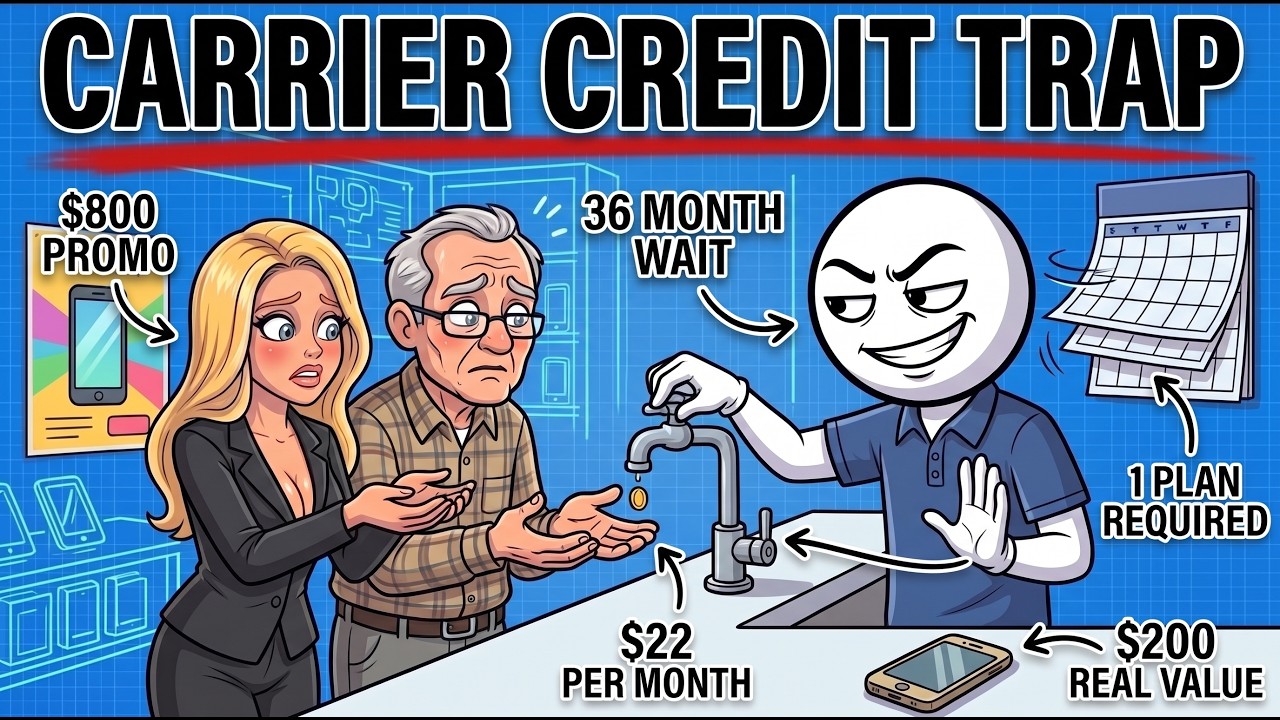
There is a second layer that matters for anyone who travels or keeps more than one line. Yahoo Tech's piece argues that eSIM was meant to make cellular setup as easy as joining a Wi-Fi network, and that in practice how little friction you get is entirely up to the provider ². The same article concedes the upside: buying a local eSIM for a trip is far easier than hunting for a physical SIM at an airport and safeguarding your home card. So the trade is not "eSIM bad, SIM good." It is that eSIM moves control over your line from the object in your hand to the account behind it. MakeUseOf's commentary reaches a similar conclusion from the opposite starting point, describing an initial impression of eSIM as a downgrade that shifted once the carrier-side reasoning became clear ³.
The practical consequence for a phone purchase is that the eSIM question is really a carrier question. Before committing to an eSIM-only device, it is worth confirming three things: whether your carrier supports self-service transfer between devices, whether that transfer works when the old phone is broken or unavailable, and how the process handles a second line or a travel profile. None of the sources establishes a universal answer, and the details vary by carrier and country, so the specific terms need to be checked with the provider rather than assumed. What the sources do establish is that the experience is not determined by the phone alone. The hardware change is small; the change in who you have to ask is the one that follows you to every future upgrade.
Sources
- ¹ Switching to eSIM? Don’t let these hidden issues surprise you - HIGHLIGHTS www.digit.in
- ² eSIM was supposed to replace SIM cards, but carriers turned it into a trap - Advertisement tech.yahoo.com
- ³ I thought eSIM was a downgrade — now I finally understand why carriers pushed it - I thought eSIM was a downgrade — now I finally understand why carriers pushed it www.makeuseof.com