God of War Turns to Faye: What Laufey Means for the Series and Its Technology
A new God of War chapter, God of War Laufey, puts Kratos's wife Faye at the centre of the story, according to PlayStation's own franchise hub. The shift matters beyond narrative: the Norse-era games are built on a continuous-camera design that made streaming, animation and combat tuning unusually demanding. Here is what the announcement establishes, what it leaves open, and why the series remains a useful case study in AAA production craft.
 admin
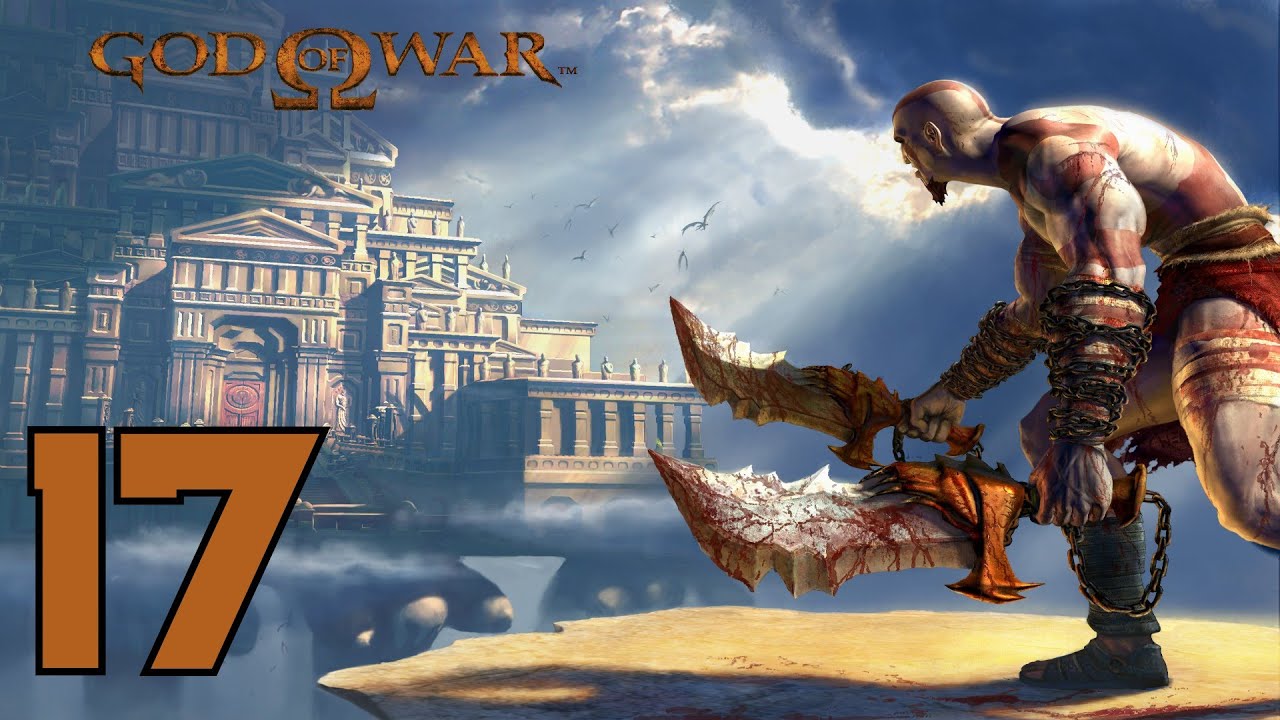
The God of War franchise has always been willing to rebuild itself. The Greek-era games were defined by scale and spectacle; the Norse duology that began in 2018 slowed the camera down, moved it close to Kratos's shoulder and turned a rage-driven action series into something quieter and more observant. Now the series appears to be shifting its centre of gravity again, this time away from Kratos himself.
According to PlayStation's God of War franchise page, the next chapter is titled God of War Laufey and follows Faye, the warrior described there as Kratos's wife, who wakes in a strange land after her death and finds that the plans she made to protect Kratos and Atreus are now at risk ¹. The same page names Ariel Lawrence as game director and Cory Barlog as Santa Monica Studio's head of creative, and lists a cast that includes Deborah Ann Woll as Laufey alongside Christopher Judge as Kratos ¹.
What the material does not establish is just as important. No release date, target platform or gameplay detail is confirmed in the source text beyond its presence on a PlayStation site. Readers should treat anything more specific circulating elsewhere as unverified until the studio says otherwise.
The narrative premise is a deliberate inversion. Faye has, until now, existed mostly as absence: a mother whose death sets the earlier games in motion and whose intentions are gradually uncovered by the people she left behind. A story that begins after her death and places her back in the middle of events changes the emotional geometry of the series. It also gives Santa Monica Studio a reason to reuse a world it has already built while changing the perspective through which players see it — a production strategy that is far cheaper than starting from scratch but far harder to execute convincingly.
Technically, the modern God of War games are a case study in constraints. The 2018 game's most discussed design choice was a camera that rarely cuts, following Kratos through exploration, conversation and combat as one unbroken take. That decision ripples outward: level geometry has to hide loading, traversal animation has to work from a fixed vantage point, and combat encounters have to be readable without the cuts that ordinarily reset the player's attention. Ragnarök extended the approach while widening the world, and a behind-the-scenes piece on PlayStation's hub has senior combat tech-designer Mihir Sheth discussing the series' hardest difficulty mode ¹ — a reminder that difficulty in these games is a systems problem, not just a damage multiplier.
On the hardware side, the Norse games shipped across two console generations. The 2018 release arrived on PS4 and was later enhanced for PS5, and both titles eventually reached PC, where the standard toolkit of the platform — resolution scaling, upscalers and uncapped frame rates on capable hardware — became part of how the games are experienced. Broadly speaking, Sony's PC releases have leaned on upscaling and frame-generation features to widen the range of machines that can run them; the exact configuration for any future God of War title is unknown.
There is also the perennial argument about which Norse game is stronger. Comparative write-ups of God of War (2018) and Ragnarök tend to split along familiar lines: tighter pacing and a more focused story on one side, broader scope and more varied combat on the other ². That is a matter of taste rather than a technical verdict, and it is worth separating from measurable questions about performance, load times and input latency, where the differences between the two are largely a function of the hardware they target rather than a change in design philosophy.
What makes the Laufey announcement interesting from a production standpoint is not the promise of new technology but the reuse of existing craft. Moving the camera to a new protagonist, changing the rhythm of combat and re-reading a familiar world through different eyes are all cheaper than building a new engine — and, done well, they feel like a new game anyway. Whether the studio pulls that off is a question only the finished product can answer.
For now, the safe reading is narrow: a new chapter exists, it is built around Faye, and Santa Monica Studio is leading it. Everything else — including how it will look on current hardware and when it will arrive — remains unknown.